Sumo Deadlift
Wide stance, short pull, big hips and quads.
Body Part
Legs
Equipment
Barbell
Level
Intermediate
Type
Compound
Force
Pull
The sumo deadlift uses a wide stance with the hands gripping the bar inside the legs, which shortens the range of motion and shifts the load toward the quads, glutes, and hips while reducing stress on the lower back. It's a powerlifting staple and a great option for lifters with the right hip leverages or those who struggle with conventional pulls.
Muscles Worked
In Position
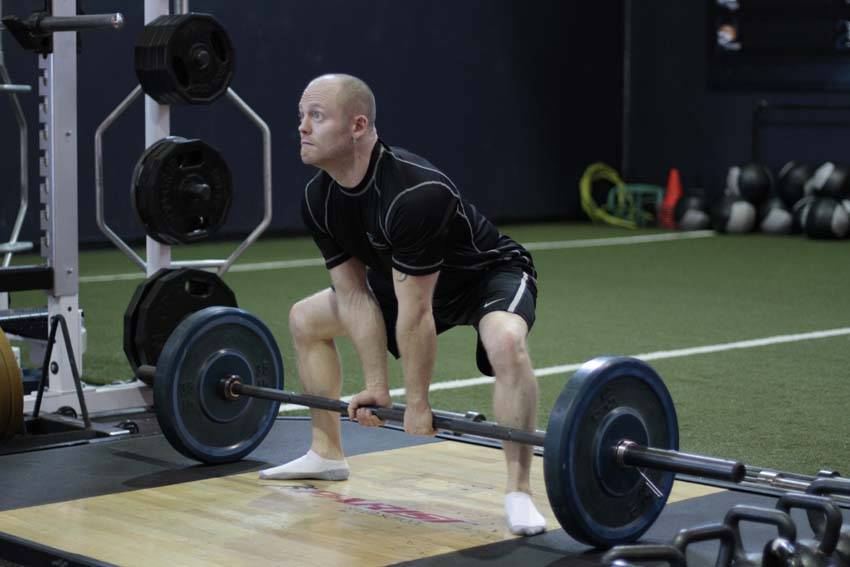
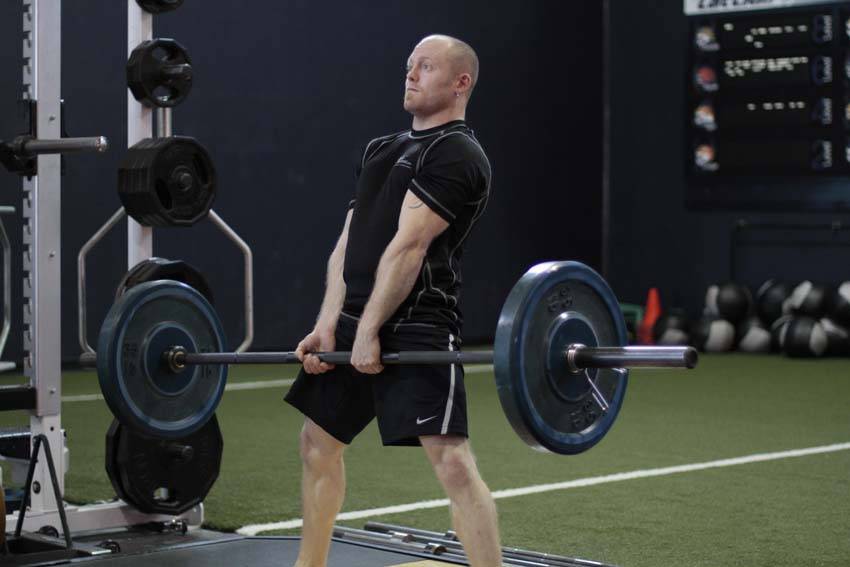
How to Do the Sumo Deadlift
- 1Take a wide stance with your shins close to the plates and your toes pointed out, roughly tracking the angle of your knees.
- 2Reach down and grip the bar with your hands inside your legs, about shoulder-width apart, arms vertical.
- 3Drop your hips and pull your chest up, then 'spread the floor' by pushing your knees out over your toes.
- 4Set your lats, brace your core with a big breath, and pull the slack out of the bar until it engages the plates.
- 5Drive through your whole foot and push the floor apart, keeping the bar against your shins as you rise.
- 6Stand tall by driving your hips through to lockout, then control the bar back down along your legs.
Coaching Cues
Common Mistakes
Variations & Related Lifts
What Lifters Say
Based on 27,000 online discussions
Sumo is the most argued-about deadlift variation in the community, largely because of the persistent 'sumo is cheating' meme. The actual consensus among knowledgeable lifters is firm: sumo is not cheating — it's a legal, competition-approved style that simply trades a shorter range of motion for a much harder start off the floor. The 'shorter ROM = easier' argument ignores how brutal the breaking-the-floor portion is and how much hip mobility and quad strength sumo demands.
The community's biggest practical themes are stance width and getting into position. Wider isn't automatically better — your stance should be as wide as you can go while still creating tension and leverage off the floor. Most people benefit from a 'semi-sumo' or moderate stance rather than an extreme one unless they have the hips for it. The recurring cue that gets upvoted is to 'spread the floor' and shove your knees out over your toes, and to 'pull yourself down to the bar' to wedge into a tight starting position before driving.
The other big point is that sumo lives and dies by hip and groin mobility plus quad strength. If your hips can't open up, you'll never get into a good position and the floor will feel impossible. Lifters recommend dedicated hip mobility work, opening the knees out aggressively, and being patient — sumo often has a steeper learning curve than conventional but rewards lifters whose leverages suit it with bigger, safer-feeling pulls.
Why Lifters Love It
- Shorter range of motion than conventional, so many people pull more weight.
- Far easier on the lower back, making it a great option for those with back issues.
- Hits the quads, glutes, and adductors hard alongside the hamstrings.
- More upright torso means less shear stress on the spine.
Common Pitfalls
- Demands good hip mobility to get into the wide stance comfortably.
- Notoriously hard off the floor — the first inch is brutal if your hips or quads are weak.
- Form is fussy: knees cave, hips rise early, and lockout can stall at the top.
- Endless and exhausting 'sumo is cheating' arguments online.
Keep Reading
- Sumo deadlift bar path — Q&A with Dr. Austin Baraki — Barbell Medicine Forum
- Stance width and knee cave — Q&A with Dr. Jordan Feigenbaum — Barbell Medicine Forum
- Juggernaut: Pillars of Sumo Deadlift — The Set-Up — Juggernaut Training Systems
Frequently Asked Questions
Is sumo deadlift cheating?
How wide should my sumo stance be?
Why is the sumo deadlift so hard off the floor?
Why do my knees cave in when I pull sumo?
How do I open my hips for sumo deadlifts?
Should I switch from conventional to sumo?
Related Exercises
Barbell
Conventional Deadlift
The king of lifts: pick heavy stuff up, put it down.
Barbell
Barbell Hip Thrust
The most direct glute builder there is.
Kettlebell
Kettlebell Swing
Explosive hip snap that builds power and conditioning.
Bodyweight
Ankle On The Knee
Glutes · Bodyweight
Barbell
Barbell Glute Bridge
Glutes · Barbell
Bodyweight
Butt Lift (Bridge)
Glutes · Bodyweight
Library last reviewed June 22, 2026 · How these guides are written