Walking Lunge
Single-leg strength on the move
Body Part
Legs
Equipment
Dumbbell
Level
Beginner
Type
Compound
Force
Push
The walking lunge is a dynamic single-leg movement where you step forward into a lunge and travel across the floor rep after rep, training the quads and glutes while challenging balance, coordination, and conditioning. Because you're moving continuously, it builds athletic single-leg strength and torches the legs with high reps. It needs only dumbbells and open space, making it a staple finisher and a great unilateral builder.
Muscles Worked
In Position
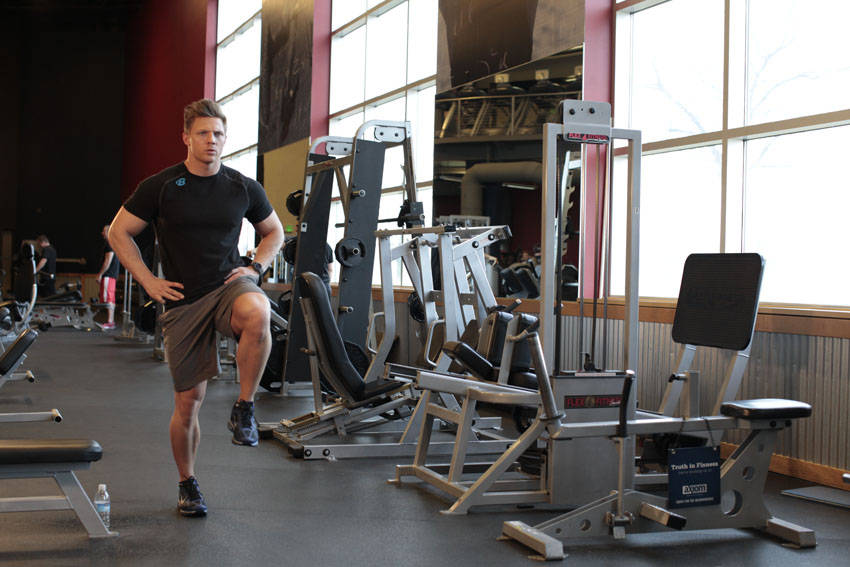
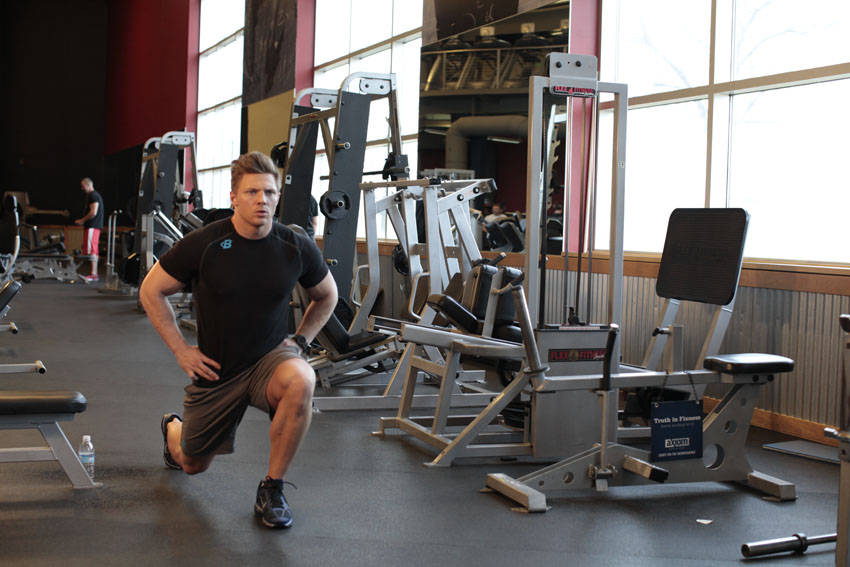
How to Do the Walking Lunge
- 1Hold a dumbbell in each hand at your sides (or none to start), stand tall, and brace your core with feet hip-width apart.
- 2Take a controlled step forward with one leg, longer for more glute or shorter for more quad emphasis.
- 3Lower straight down by bending both knees until your front thigh is roughly parallel and your rear knee nearly kisses the floor.
- 4Keep your torso upright and your front knee tracking over your toes, weight on the front heel and midfoot.
- 5Drive through the front foot to bring your rear leg forward into the next step, moving continuously into the next lunge.
- 6Repeat, alternating legs with each step and covering distance until you complete your target reps or steps.
Coaching Cues
Common Mistakes
Variations & Related Lifts
What Lifters Say
Based on 14,000 online discussions
Walking lunges are a beloved single-leg staple — the community values them as a do-anywhere movement that builds athletic leg strength while doubling as a brutal conditioning finisher. Stepping forward into rep after rep trains the quads and glutes through a full range while demanding balance and coordination that static lifts don't. They're approachable for beginners yet scale up to seriously challenging loaded work.
In practice, expect the first few sessions to feel awkward as your balance catches up, and expect high-rep sets to leave you out of breath fast. Most lifters use them as an accessory or finisher once or twice a week, starting with bodyweight, then adding dumbbells, then a barbell as strength and stability improve. Be ready for serious next-day soreness — the loaded stretch on each leg makes walking lunges one of the more reliable DOMS generators in the gym.
Walking lunges are best for athletes, lifters chasing leg mass and conditioning, and anyone wanting to even out side-to-side imbalances. The main form lever is stride length: a longer step shifts emphasis toward the glutes and hamstrings, while a shorter step keeps the shin upright and biases the quads. Compared to reverse lunges they're harder on balance and the knee but more athletic and continuous; compared to Bulgarian split squats they're more dynamic and conditioning-focused but offer a bit less concentrated overload per leg.
Why Lifters Love It
- Builds single-leg quad and glute strength with strong carryover to sprinting and athletics
- The continuous walking pattern trains balance, coordination, and dynamic stability
- Doubles as a leg builder and a conditioning finisher when done for high reps or distance
- Exposes and corrects left-right imbalances since each leg works on its own
Common Pitfalls
- Balance and coordination are limiting early, making the first sessions wobbly and humbling
- High-rep sets are deeply fatiguing and leave you gasping, blurring the line into cardio
- Front knee can get cranky if stride length and tracking aren't dialed in
- Requires a long open lane, which is hard to find on a crowded gym floor
Keep Reading
- StrongFirst forum: Walking lunges — how do you program them? — StrongFirst Forum
- StrongFirst: Uphill Lunges (Pavel Tsatsouline) — StrongFirst
- Muscle & Strength: Dumbbell Walking Lunge — Exercise Guide & Tips — Muscle & Strength
Frequently Asked Questions
Do walking lunges work the quads or glutes more?
Walking lunges vs reverse lunges — what's the difference?
How do I stop my knee from hurting during lunges?
How do I keep my balance during walking lunges?
Are walking lunges good for building muscle or just conditioning?
How long should my stride be for walking lunges?
Related Exercises
Dumbbell
Bulgarian Split Squat
The most hated, most effective leg builder
Barbell
Front Squat
Upright squatting for monster quads
Dumbbell
Goblet Squat
The best squat to learn the squat
Bodyweight
All Fours Quad Stretch
Quads · Bodyweight
Bodyweight
Alternate Leg Diagonal Bound
Quads · Bodyweight
Other
Backward Drag
Quads · Other
Library last reviewed June 22, 2026 · How these guides are written