Dips
The upper-body squat for chest and triceps
Body Part
Chest
Equipment
Bodyweight
Level
Intermediate
Type
Compound
Force
Push
Dips are a brutally effective bodyweight compound that builds the lower chest, triceps, and front delts, often called the 'upper-body squat' for how much mass they pack on. By simply changing your torso angle you can target the chest or the triceps, and once bodyweight gets easy you can strap on a belt and load them like any other strength lift.
Muscles Worked
In Position
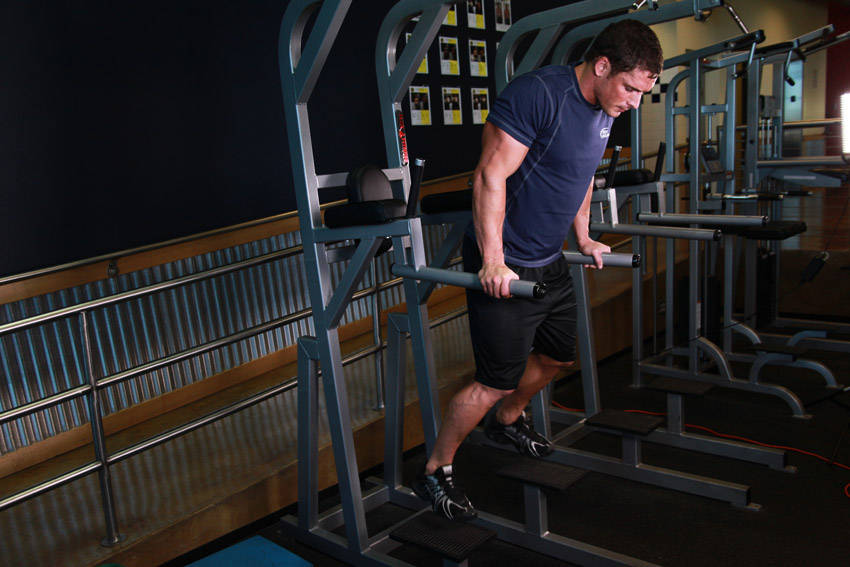
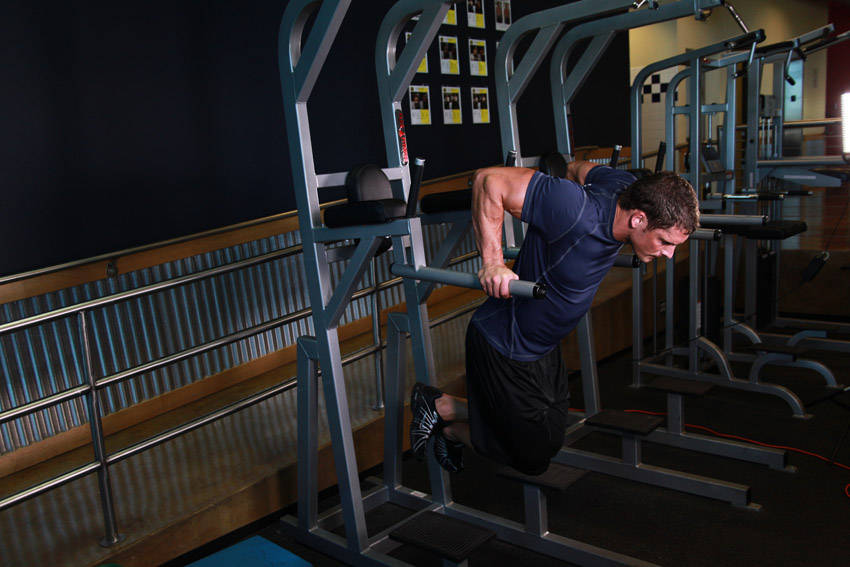
How to Do the Dips
- 1Mount the parallel bars with a strong lockout, hands stacked under your shoulders and arms straight.
- 2Set your shoulders down and back, brace your core, and decide your emphasis: lean the torso forward for chest, stay more upright for triceps.
- 3Lower under control by bending the elbows, keeping them from flaring way out to the sides.
- 4Descend until your shoulders are roughly level with your elbows (upper arms about parallel to the floor); going far deeper than this strains the shoulders.
- 5Pause briefly at the bottom without bouncing or letting the shoulders shrug up around your ears.
- 6Drive back up to a strong lockout, keeping the same torso angle, and squeeze the chest or triceps at the top.
Coaching Cues
Common Mistakes
Variations & Related Lifts
What Lifters Say
Based on 29,000 online discussions
Dips have a devoted following as the 'upper-body squat' because few movements build the chest and triceps so efficiently from a single bodyweight exercise. The community loves how scalable they are: you start with band or machine assistance, graduate to clean bodyweight reps, and eventually strap plates to a dip belt and load them like a serious strength lift. The deep stretch at the bottom makes them a hypertrophy favorite for the lower chest and triceps alike.
The most useful technical insight is that torso angle is a dial. Lean your chest forward and let the elbows travel back, and dips become a chest movement. Stay more upright with elbows tucked, and they shift toward the triceps. This makes dips one of the most versatile pressing movements you can program, and most people pick their angle based on which muscle they're trying to emphasize that day.
The big caveat, repeated constantly, is shoulder health. Dips are fantastic for some people and a one-way ticket to cranky shoulders for others. The consensus advice is to control the descent, keep your shoulders pulled down and back, and stop when your upper arms reach about parallel to the floor rather than chasing extreme depth. Bench dips get singled out as especially risky because they pin the shoulder in a vulnerable position, so most experienced lifters favor parallel-bar dips. Respect your shoulders, control the range, and dips reward you; ignore those cues and they bite back.
Why Lifters Love It
- Hits the lower chest and triceps hard in one efficient compound movement
- Easily scaled from band-assisted up to heavy weighted dips with a dip belt
- Torso angle lets you bias chest or triceps from the same exercise
- Strong carryover to bench press lockout strength
Common Pitfalls
- Among the most shoulder-unfriendly movements if you go too deep or have cranky shoulders
- Tough for beginners who can't yet do bodyweight reps
- Bench dips in particular put the shoulder in a vulnerable, internally-rotated position
- Easy to over-flare elbows or shrug and irritate the joint
Frequently Asked Questions
Should I lean forward or stay upright on dips?
How deep should I go on dips?
Are dips bad for your shoulders?
How do I add weight to dips?
Are bench dips or parallel-bar dips better?
How do I make dips harder or easier?
Related Exercises
Barbell
Barbell Bench Press
The king of upper-body pressing strength
Dumbbell
Incline Dumbbell Press
Build that upper-chest shelf
Kettlebell
Alternating Floor Press
Chest · Kettlebell
Dumbbell
Around The Worlds
Chest · Dumbbell
Barbell
Barbell Bench Press - Medium Grip
Chest · Barbell
Barbell
Barbell Guillotine Bench Press
Chest · Barbell
Library last reviewed June 22, 2026 · How these guides are written