Chin-Up
The pull-up's arm-building cousin
Body Part
Back
Equipment
Bodyweight
Level
Intermediate
Type
Compound
Force
Pull
The chin-up is a vertical pull performed with a supinated (underhand) grip, which brings the biceps heavily into play alongside the lats. That extra arm involvement makes it usually a little easier than the pull-up and turns it into one of the best mass-builders for the arms and back at once. It's the go-to for lifters who want bigger biceps and a thicker back from a single movement.
Muscles Worked
In Position
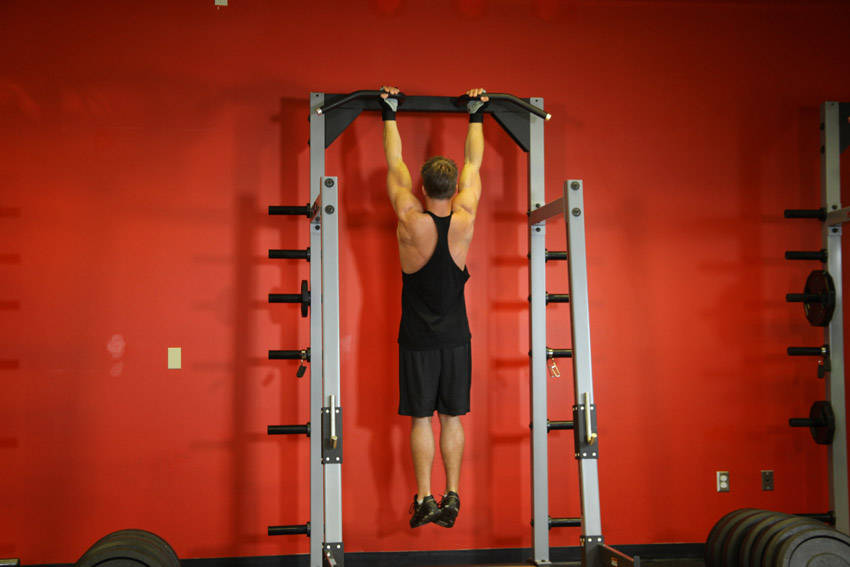
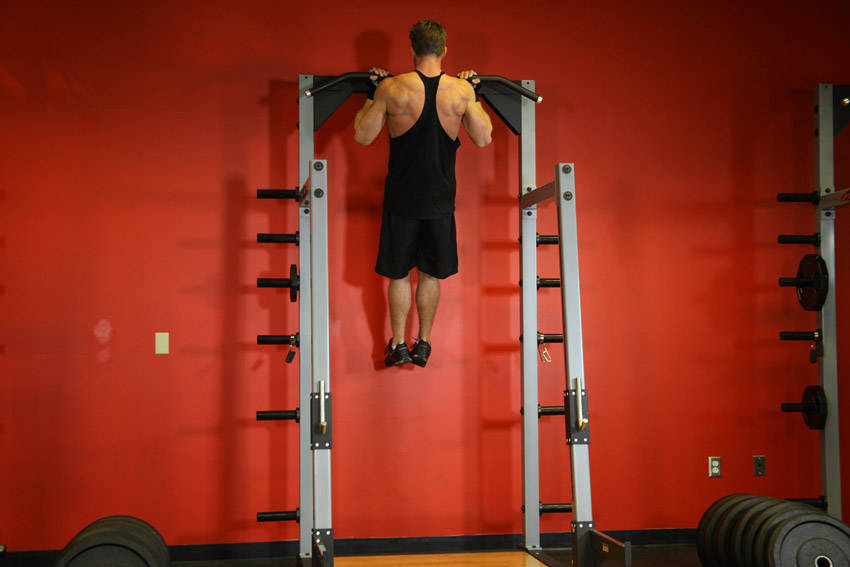
How to Do the Chin-Up
- 1Grip the bar with your palms facing you (supinated), hands about shoulder-width apart, thumbs wrapped around the bar.
- 2Hang at full extension with active shoulders — pull your shoulder blades down and back rather than letting them shrug up.
- 3Brace your core and squeeze your glutes so your body stays rigid; cross or bend your legs to stop them from swinging.
- 4Pull by driving your elbows down toward your ribs while squeezing the bar, keeping your chest tall.
- 5Continue until your chin clears the bar and your collarbone is close to it, finishing with a hard biceps and lat contraction.
- 6Lower under control over 1-2 seconds back to a dead hang, resetting your shoulders before the next rep.
Coaching Cues
Common Mistakes
Variations & Related Lifts
What Lifters Say
Based on 9,600 online discussions
Chin-ups have a loyal following as the most efficient way to grow the biceps and back at the same time. Because the underhand grip lets the arms pitch in, lifters consistently report they can manage chin-ups before strict pull-ups, which makes them a popular on-ramp into bodyweight pulling. The common refrain is that a few sets of heavy weighted chins do more for arm size than a pile of curls ever did.
The pull-up versus chin-up question comes up constantly, and the consensus is nuanced: chin-ups lean more biceps-and-back-thickness, pull-ups lean more lat-width, and the smart move is to use both rather than argue. People who want bigger arms gravitate to chins, and many programs slot them in as a vertical pull on pull or arm days specifically for the biceps stimulus.
The main caution in the community is elbow health. Grinding heavy weighted chins, especially with a fully locked-out, twitchy bottom position, is a frequent culprit behind medial-elbow and biceps-tendon pain. The standard advice is to control the negative, keep the wrists packed and neutral, avoid jerking out of the bottom, and not chase a one-rep max every week. Do that, add weight progressively, and chins become one of the highest-value upper-body movements going.
Why Lifters Love It
- Hits the biceps far harder than pull-ups, making it a top pick for arm growth
- The supinated grip recruits the arms, so most people can do them before strict pull-ups
- Builds lats and biceps in one efficient compound movement
- Loads easily for progression with a dip belt and added plates
Common Pitfalls
- Can aggravate the elbows and biceps tendon, especially with heavy weighted reps
- Easy to cheat into a momentum-driven half-curl instead of a real pull
- The supinated grip bothers some people's wrists or forearms
- Less lat-width emphasis than wide-grip pull-ups, so it's not a full back solution alone
Keep Reading
Frequently Asked Questions
Are chin-ups easier than pull-ups?
Do chin-ups build bigger biceps?
Should I do chin-ups or pull-ups for back?
Why do chin-ups hurt my elbows?
How do I add weight to chin-ups?
What grip width is best for chin-ups?
Related Exercises
Library last reviewed June 22, 2026 · How these guides are written