Pull-Up
The king of upper-body bodyweight pulling
Body Part
Back
Equipment
Bodyweight
Level
Intermediate
Type
Compound
Force
Pull
The pull-up is a vertical pulling movement performed with a pronated (overhand) grip, hauling your entire bodyweight up until your chin clears the bar. It builds wide, thick lats and an iron grip, and it's the gold-standard test of relative upper-body strength. Earning your first rep is a rite of passage, and reps only get harder as you add weight.
Muscles Worked
In Position
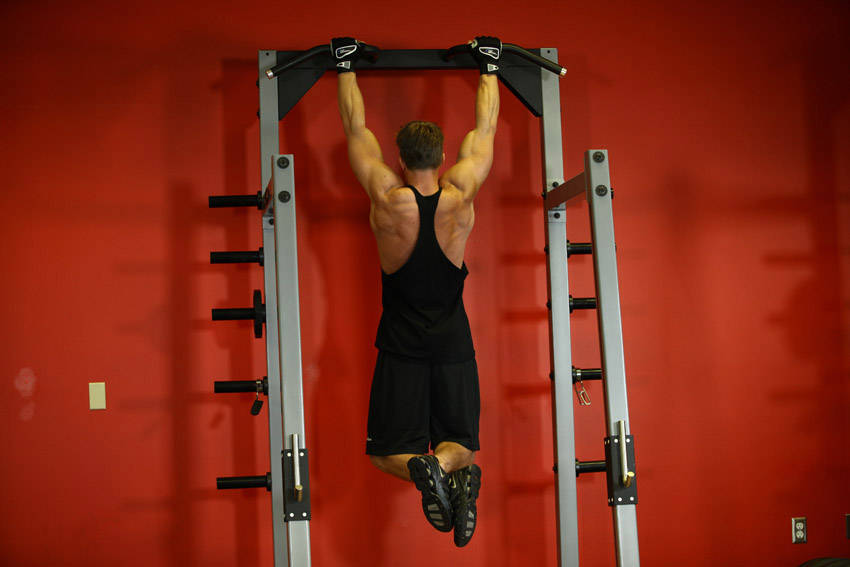

How to Do the Pull-Up
- 1Grip a fixed bar with your palms facing away (pronated), hands roughly shoulder-width to slightly wider, thumbs over or around the bar as you prefer.
- 2Hang at full arm extension with shoulders active — pull them down and back out of your ears rather than letting them shrug up toward them.
- 3Brace your core and lightly squeeze your glutes so your torso stays rigid; you can cross your ankles or bend your knees to keep your legs from swinging.
- 4Initiate by driving your elbows down and back toward your hips, thinking about pulling the bar to you rather than pulling yourself to the bar.
- 5Continue until your chin clears the bar or your collarbone nears it, keeping your chest up and avoiding excessive kicking or kipping.
- 6Lower under control to a full dead hang, taking 1-2 seconds on the way down, and reset your shoulders before the next rep.
Coaching Cues
Common Mistakes
Variations & Related Lifts
What Lifters Say
Based on 14,800 online discussions
The pull-up is almost universally respected as the benchmark of upper-body bodyweight strength, and the community treats your first strict rep as a genuine milestone. Lifters love that it builds the lats, biceps, and grip simultaneously while needing nothing but a bar, and the V-taper payoff keeps people coming back. The recurring theme in every thread is patience: this is a movement you earn, not one you fake.
The biggest debate is how to get from zero to one rep. The consensus toolkit is slow negatives (jump up, lower for 5+ seconds), band assistance, and heavy lat pulldowns to build the base — with most coaches favoring negatives and bands over the assisted pull-up machine because the machine pushes from a fixed groove. There's also a long-running kipping argument: CrossFitters defend kipping as its own skill, while strength-focused lifters insist that if you can't do it strict, you can't really do it.
Where people get tripped up is range of motion and shoulder position. The most common complaint is that someone 'can do ten pull-ups' but is doing half-reps with shrugged shoulders and a kicking lower body. The advice that comes up again and again is dead-hang to chin-over, scapular depression before you pull, and zero momentum — quality over quantity. Nail that, add weight when reps get easy, and the pull-up rewards you for years.
Why Lifters Love It
- Builds visibly wider lats and a V-taper faster than almost any other movement people report
- Requires zero equipment beyond a bar — a doorway bar or playground works fine
- A brutal grip and forearm builder as a free side effect of every set
- Loads easily for progression by hanging a dumbbell or plate from a dip belt
Common Pitfalls
- Many beginners (especially heavier or female lifters) can't do a single rep starting out
- Adding weight is awkward without a dip belt or weight vest
- Easy to ego-cheat with kipping or partial reps and stall progress for months
- Hard on the elbows and shoulders if you grind full-stretch reps with bad shoulder positioning
Keep Reading
- RippedBody: A Full Guide To Progressing Your Chin-ups and Pull-ups — RippedBody
- Barbell Medicine Forum: Pull-up/chin-up form — Does it matter? — Barbell Medicine Forum
- Built With Science: How To Increase Pull-Ups From 0 to 10+ Reps — Built With Science
Frequently Asked Questions
How do I get my first pull-up?
What's the difference between a pull-up and a chin-up?
Are dead-hang or kipping pull-ups better?
What counts as a full range of motion pull-up?
Why are pull-ups so hard?
How often should I train pull-ups?
Related Exercises
Library last reviewed June 22, 2026 · How these guides are written